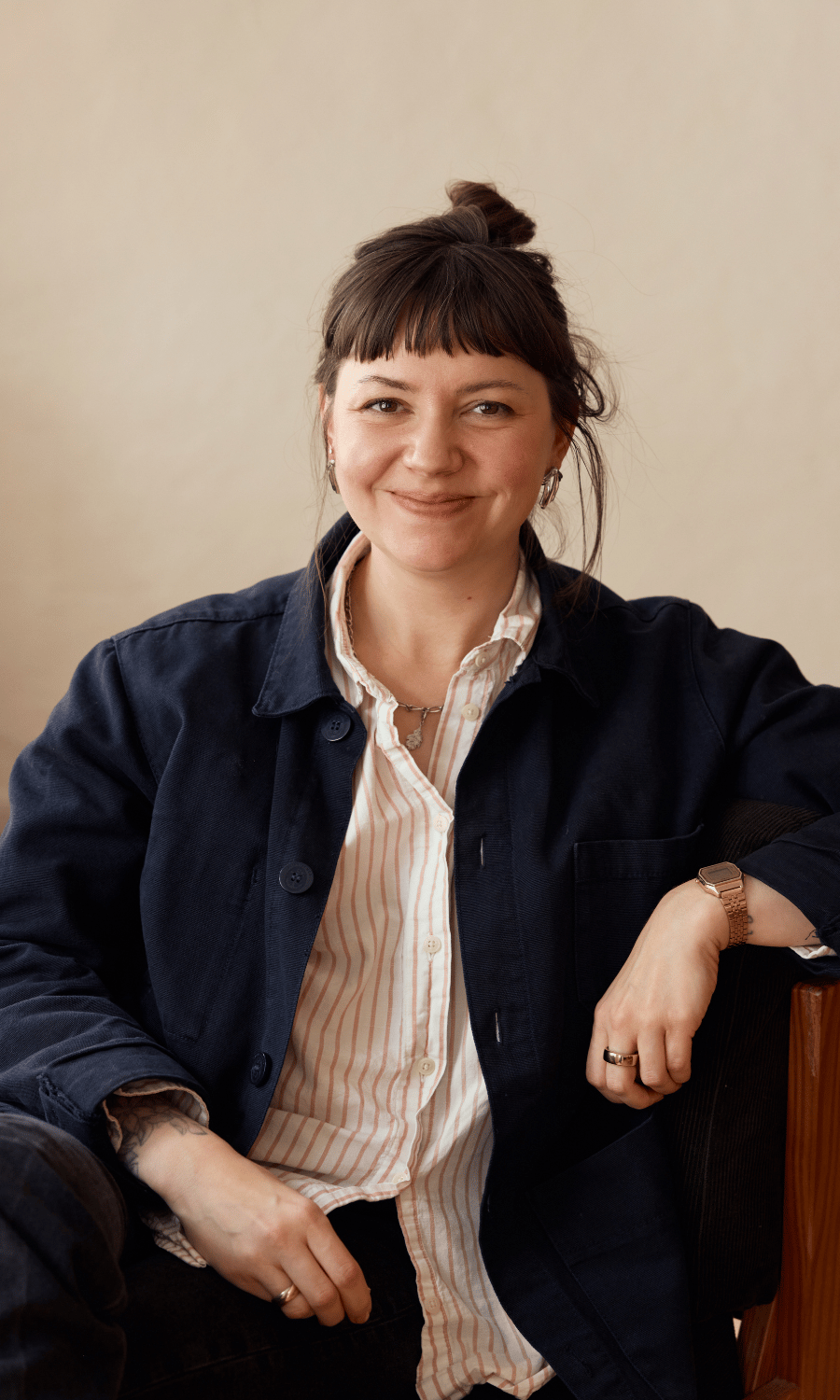
Written by Ariel Andersen
Psychotherapist (MPF) and founder of Village Therapy in Copenhagen. Trained in Couple & Family Therapy in Seattle, Ariel works with individuals, couples, families and teenagers, with a focus on anxiety, OCD and phobias. Sessions in English, in person and online.
If the Danish winter is getting to you, you are not imagining it, and you are not alone.
On the shortest day of the year, 21 December 2026, the sun rises in Copenhagen at 08:38 and sets at 15:39: about seven hours of daylight (sunrisesunsettime.org). On many of those days it is grey, so you may barely see the sun at all. In Aarhus and further north, the days are shorter still.
For many people who have moved here, the first or second winter comes as a surprise. You leave for work in the dark, come home in the dark, and the friends and family who would normally lift your mood are far away. Feeling flat, tired or low in these months is common. This guide explains what is normal, what helps, and when it makes sense to get support, including how that works in Denmark.
Winter blues or something more?
Most people feel some dip in winter: a bit more tired, less keen to go out, craving comfort food. That is the “winter blues”, and it usually stays manageable.
For some people it goes further. Danish health authorities estimate that 5–10% of the population has winter depression to some degree (sundhed.dk). It also goes by the name seasonal affective disorder (SAD). It starts in autumn, lifts in spring, and can include:
- low energy and a much greater need for sleep
- low mood that doesn’t lift
- a bigger appetite, especially for sweet things, and weight gain
- pulling away from other people
- less interest in things you usually enjoy, including sex
You don’t need all of these for it to count. And not every low winter is about the light. Moving country, loneliness, a new baby, a demanding job or a relationship under strain can all weigh more heavily in the dark months.
The question to ask yourself is not “Is this a diagnosis?” but “Is this getting in the way of my life?” If you have felt down for weeks without a clear reason, or have lost interest in things you normally enjoy, it is worth talking to someone.
What helps day to day
Most of these steps come from Danish health advice (sundhed.dk), with a few tips from Ariel’s practice:
- Get outside in daylight, ideally for an hour a day. If you can, walk or bike to work in the morning: sunlight early in the day can help keep your circadian rhythm stable through the dark months. A walk at lunchtime counts too, even when it’s grey.
- Let more light in. Open the curtains, work near a window and turn the lights up.
- Keep a regular sleep rhythm. Go to bed and get up at roughly the same time, also on weekends.
- Move for 30 minutes a day, at a pace where talking gets a little hard. Biking to work or school is a great way to kill two birds with one stone.
- Consider a light therapy lamp. The usual advice is about 10,000 lux for at least 30 minutes, preferably in the morning. Many people notice a difference within one to two weeks. Check with your doctor before you start. A solarium does not help.
- Take vitamin D. Danish health authorities recommend that adults take 5–10 micrograms a day from October to April, and some groups all year round (sundhed.dk). It supports your general health; it is not a treatment for low mood.
- Stay in contact. Hygge is mostly about being together. Say yes to the coffee, join a class or a parents’ group, and call home. Loneliness hits harder in the dark, especially in your first winters here.
When to get help, and how it works in Denmark
If low mood has lasted for weeks, is affecting your work, sleep, relationships or parenting, or the self-help steps aren’t making a difference, it’s time to get support. There are two main routes.
1. Through your GP (egen læge). Your GP is the starting point in the Danish system. Many GPs speak English, so just ask. Your GP can assess whether it’s winter depression or something else, and can refer you to a psychologist with public subsidy if you qualify (borger.dk):
- Age 25 and over, mild to moderate depression or anxiety: the region pays 60% of the fee and you pay 40%, for up to 12 sessions, which can be extended to 24.
- Age 18–24, mild to moderate depression or anxiety: treatment is free, through a regional programme. Since 1 October 2026 the region contacts you via e-Boks after your GP refers you.
- The referral must be used within 3 months, and you book the psychologist yourself.
- The subsidy only applies to psychologists who have an agreement with the region, and it doesn’t cover psychotherapists or coaches.
2. Directly, privately. You don’t need a referral to see a psychologist, psychotherapist or coach privately. You pay the full fee yourself, but you can usually start sooner and choose someone who works in your language. Many workplace health insurances cover a number of sessions, so it’s worth checking yours.
Not sure which kind of practitioner fits? Our short guide Not sure where to start? explains the difference. If work stress is part of the picture, see also Stress and burnout in Denmark.
Finding support in your language
Talking about how you feel is hard enough in your own language. On Wellbeing Denmark you can find psychologists, therapists, coaches and body–mind practitioners across Denmark who work in English, German and other languages. You contact them directly, and searching is free.
- English-speaking psychologists in Copenhagen: we check every psychologist in the Danish authorisation register.
- English-speaking therapists in Copenhagen: psychotherapists, coaches and other practitioners.
- German-speaking therapists in Denmark
Movement and contact help too: look for yoga or other classes in English, which are also a good way to meet people through the dark months.
If it’s urgent
If you have thoughts of harming yourself, or feel you can’t keep yourself safe, don’t wait for an appointment.
| Who | Number | When |
|---|---|---|
| Emergency | 112 | 24 hours |
| Livslinien, suicide prevention helpline | 70 201 201 | Phone daily 09:00–05:00; chat Mon–Fri 17:00–21:00, Sat–Sun 13:00–17:00 |
| Medical helpline 1813, Capital Region | 1813 | 24 hours |
| Psykiatrifonden helpline | 39 25 25 25 | Mon–Thu 10:00–22:00, Fri–Sun 10:00–18:00 |
Outside the Capital Region, call the out-of-hours doctor (lægevagten) in your region. If a service answers in Danish, stay on the line and say you speak English; many can help in English or find a colleague who can.
Sources
- Vinterdepression – sundhed.dk
- D-vitamin, mangel – sundhed.dk
- Psykologer og psykiatere – borger.dk
- Livslinien
- Telefonrådgivning – Psykiatrifonden
- Mental health support for British nationals in Denmark – GOV.UK
- Psychiatric emergency help – Region Hovedstaden
- Shortest day of the year 2026 in Denmark – sunrisesunsettime.org
This guide gives general information and doesn’t replace advice from your doctor. Rules and opening hours as of November 2026.